Fall 2026: Canada's Housing Market Is Changing Shape
Market · September 29, 2026 · 4 min read
Listings jump ahead of the fall, the market finds its balance again and RBC is finally talking about a recovery. Here is what the August 2026 numbers change for buyers, sellers and investors.
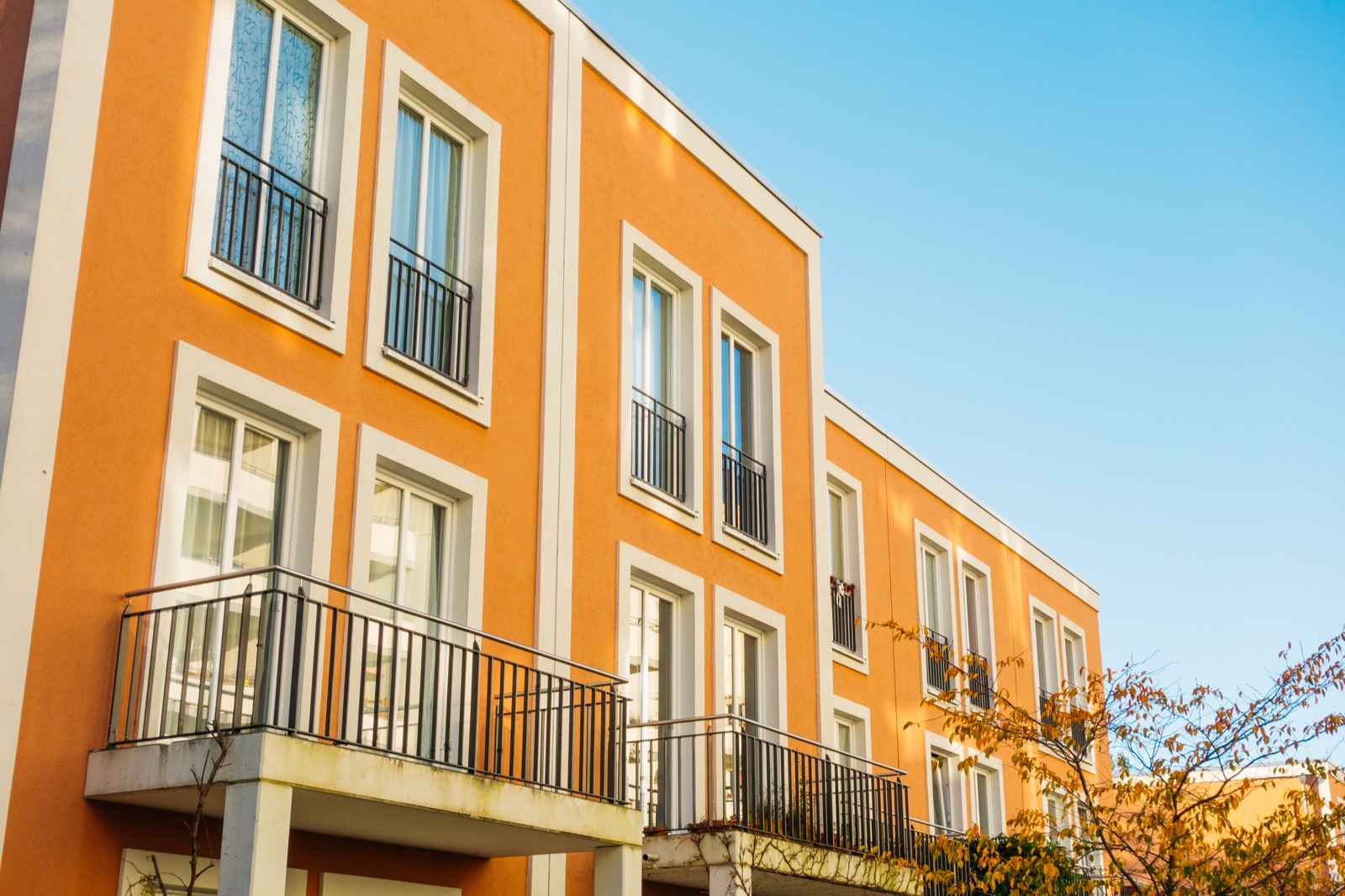
The 2026 real estate back-to-school season looks like no other. While sellers rush to list their properties before the fall, buyers are discovering a market that finally gives them room to breathe. Meanwhile, RBC economists say a recovery is finally under way. Here is a breakdown of the August numbers and what they concretely mean for you.
Sellers get a head start
In August, new listings jumped 3.3% month over month in Canada, according to the Canadian Real Estate Association (CREA), ending three consecutive months of decline. The trend was felt across the major markets, especially toward the end of the month.
The explanation from CREA chair Garry Bhaura: sellers wanted to get a head start on the fall market, all the more so since Labour Day fell very late this year. The result: just under 200,000 properties were listed for sale at the end of August, in line with the long-term average for this time of year and up 1.4% from last year.
A market finding its balance again
This wave of listings, combined with a slight dip in sales, pushed the sales-to-new-listings ratio down to 49.1%, from 51.1% in July. A market is normally considered balanced when this ratio sits between 45% and 65%. In other words: the extreme sellers' market is over, without tipping into a buyers' market.
On prices, the MLS Home Price Index was unchanged month over month and down 3% year over year, while the actual average price of homes sold rose 0.6% year over year. A stable market, neither euphoric nor in free fall.
RBC: the recovery is finally here
An RBC Economics report published in September points the same way: the Canadian market finally seems to be heading toward a recovery. Home resales have been on a favourable run since April, inventories are stabilizing and prices are showing signs of calm.
Assistant chief economist Robert Hogue notes that hundreds of thousands of Canadians have reportedly put their buying plans on hold in recent years because of the sharp rise in ownership costs. Many are renting longer than they would like or delaying a move. Their gradual return to the market would be the real engine of the recovery.
An important caveat: it will be neither uniform nor smooth. Southern Ontario and much of British Columbia continue to lag, while the more resilient markets have little room left to climb.
Toronto dips back below the million mark
The regional contrast is clear in the Toronto real estate market. In August, the average selling price in the Greater Toronto Area fell back below one million dollars ($993,410), down 2.7% year over year. It is the second time this year the threshold has been crossed. Sales fell 2.1% year over year and the composite benchmark price dropped 4.5%.
According to RBC, high condo inventories in Toronto and the Vancouver market, combined with investors' lack of interest, could keep weighing on prices into next year.
What does it actually change for you?
If you're buying: you have choice. Nearly 200,000 properties nationwide, with the fall wave of new listings on top. In a balanced market, you can negotiate, take your time and get an inspection without the pressure of bidding wars. Now is the time to add up the real costs of every opportunity and confirm your borrowing capacity before making an offer.
If you're selling: competition is rising. Listings have jumped and sellers are crowding in before the fall. A polished listing makes all the difference: quality photos, and a price based on recent data from your area, not on memories of 2022.
If you're investing: the condo market in Toronto and Vancouver remains under pressure, which can open buying windows for patient investors. Elsewhere, stabilizing inventories and improving affordability are giving the return calculation some breathing room. As always: numbers first, emotions later.
The bottom line
Fall 2026 is shaping up as a transition market: neither euphoria nor gloom, but a rebalancing that rewards those who analyze before they act. Before your next visit or your next listing, run the property through the Hom24 analysis engine: cash flow, verdict and market data in seconds, right in your browser.
Sources: Canadian Real Estate Association (August 2026 statistics), RBC Economics, Toronto Regional Real Estate Board.